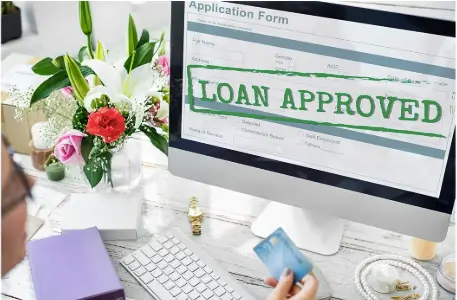
Digital lending has changed the way people access financial services. From mobile loan applications to instant approvals, fintech companies now offer faster and more convenient borrowing solutions than traditional systems.
SEC registration plays a critical role in ensuring that these lending services operate legally, transparently, and responsibly for consumers.
As more users rely on fintech platforms such as Mocasa for credit access and digital payments, understanding lending compliance and financial regulation becomes increasingly important. Regulatory approval helps borrowers identify trustworthy companies while encouraging safer financial practices across the industry.
This article explains why SEC registration matters, how fintech regulation protects consumers, and why compliant lending platforms continue to gain public trust in the growing digital finance market.
The Role of SEC Registration in Digital Lending
The Securities and Exchange Commission (SEC) serves as a regulatory authority responsible for overseeing lending and financing businesses in many countries. For fintech lenders, SEC registration demonstrates that a company has met legal requirements necessary to operate within financial regulations.
A registered lending platform is expected to follow guidelines related to disclosure, transparency, borrower protection, and ethical lending standards. This creates a safer environment for users seeking financial assistance online.
Why SEC Registration Is Important
- Confirms that the lending company operates legally
- Encourages transparent loan terms and repayment policies
- Helps reduce fraudulent lending activities
- Promotes responsible borrowing and fair treatment
- Builds trust between fintech companies and consumers
- Supports accountability through government oversight
For users exploring digital loan services, SEC registration is often one of the first indicators of legitimacy. Borrowers should always verify whether a platform follows recognized financial regulations before sharing personal information or applying for credit.
How Fintech Regulation Protects Consumers
The rise of financial technology has made lending more accessible, but it has also increased the need for stronger consumer safeguards. Fintech regulation helps establish clear standards that protect borrowers from hidden fees, misleading offers, and unfair collection practices.
When companies comply with lending regulations, consumers benefit from greater transparency and improved security. Regulatory compliance also encourages fintech firms to maintain proper data protection systems and ethical business practices.
Key Consumer Protection Benefits
- Clear explanation of loan interest rates and charges
- Transparent repayment schedules and policies
- Protection of personal and financial information
- Better dispute resolution procedures
- Reduced risk of predatory lending behavior
- Improved confidence in digital financial services
Fintech platforms that prioritize compliance often invest more heavily in cybersecurity, customer support, and responsible lending systems. This creates a more stable digital finance ecosystem for both businesses and borrowers.
Consumers today are increasingly aware of online risks. Because of this, regulated lending companies are becoming more attractive than unverified or unauthorized lenders operating outside legal frameworks.
Lending Compliance and Transparency in Modern Fintech
Lending compliance refers to the process of following laws and financial guidelines established by regulatory authorities. For fintech companies, compliance is not just a legal obligation—it is also a business advantage.
Transparent lending practices help companies maintain long-term customer relationships and avoid reputational damage. Platforms that openly explain their terms and repayment conditions are more likely to gain public confidence.
Signs of a Compliant Lending Platform
- Publicly available company registration details
- Transparent terms and conditions
- Clearly stated fees and repayment obligations
- Secure account verification systems
- Accessible customer service channels
- Responsible marketing without misleading promises
Companies like Mocasa operate in an environment where compliance plays an essential role in sustaining customer trust. Borrowers often prefer regulated fintech providers because they offer more accountability and professional service standards.
Transparency also helps users make informed financial decisions. When borrowers understand repayment expectations, they are less likely to encounter unnecessary financial stress or confusion later in the lending process.
Why Consumers Prefer Regulated Fintech Platforms
Modern borrowers value convenience, but they also prioritize security and credibility. The growing demand for digital loans has increased awareness about the importance of using licensed and regulated lenders.
Consumers often feel more confident using fintech services that clearly demonstrate compliance with financial laws. SEC registration reassures users that the company operates under recognized legal standards and is subject to regulatory monitoring.
In competitive fintech markets, regulation can also separate professional lending platforms from unreliable operators. Registered companies are generally more committed to maintaining ethical business practices and protecting customer interests.
Borrowers may consider several factors before choosing a fintech lender, including:
- Company reputation
- Regulatory status
- Transparency of repayment terms
- Security of user data
- Customer support quality
- Ease of digital application processes
These factors contribute to a safer and more reliable borrowing experience. As fintech adoption grows globally, regulatory compliance will remain a key factor influencing customer trust and market success.
See also: Why Low-Volume Molding Is a Smart Path for Faster Product Development
The Connection Between Compliance and Financial Innovation
Some people assume that financial regulations slow innovation, but in reality, effective regulation can support sustainable fintech growth. Compliance frameworks help establish industry standards that encourage healthy competition and consumer confidence.
Fintech companies that follow regulations are often better positioned to form partnerships with banks, payment providers, and merchants. Regulatory approval can also improve investor confidence and strengthen long-term business stability.
Digital lending platforms continue introducing advanced technologies such as automated approvals, AI-powered assessments, and mobile payment integrations. However, these innovations must still operate within responsible legal boundaries.
Balanced fintech regulation helps ensure that innovation benefits consumers without exposing them to unnecessary financial risks. This balance supports the continued growth of digital finance while maintaining public trust.
Common Risks of Unregulated Lending Platforms
Unregulated lenders may appear attractive because of quick approvals or minimal requirements, but they often carry significant risks. Borrowers who use unauthorized lending services may face unclear repayment terms, hidden charges, or aggressive collection practices.
Without regulatory oversight, consumers have limited protection if disputes arise. Personal information may also be vulnerable if platforms lack proper cybersecurity measures.
Potential risks associated with unregulated lending services include:
- Hidden fees and excessive interest rates
- Misleading advertising practices
- Poor customer service support
- Data privacy concerns
- Unethical debt collection methods
- Lack of legal accountability
This is why many financial experts encourage borrowers to verify SEC registration and lending compliance before applying for loans online.
Choosing regulated fintech providers can significantly reduce these risks while promoting safer financial decisions.
How to Verify SEC Registration Before Applying
Consumers should always take time to research a lending platform before submitting sensitive personal details. Verification helps ensure that the company operates legally and follows recognized lending standards.
Several practical steps can help borrowers confirm legitimacy:
Simple Verification Tips
- Visit the official website of the regulatory authority
- Check if the company registration number is publicly available
- Read the platform’s terms and privacy policies carefully
- Search for customer feedback and reviews
- Verify contact details and customer support channels
- Avoid lenders that guarantee unrealistic approvals or promises
Responsible borrowing begins with informed decision-making. Taking a few extra minutes to verify compliance can help users avoid fraudulent services and financial complications.
The Future of Fintech Regulation and Consumer Trust
As digital lending continues expanding, regulatory oversight will remain essential for maintaining trust in financial technology services. SEC registration and lending compliance help create a safer environment where consumers can confidently access modern financial tools.
Fintech companies like Mocasa benefit from operating within structured legal frameworks that encourage transparency, accountability, and responsible lending practices. At the same time, borrowers gain stronger protection against fraud, misleading terms, and unethical financial behavior.
The future of digital finance depends on balancing innovation with consumer safety. Regulatory compliance supports this balance by encouraging fintech platforms to provide secure, transparent, and trustworthy services.