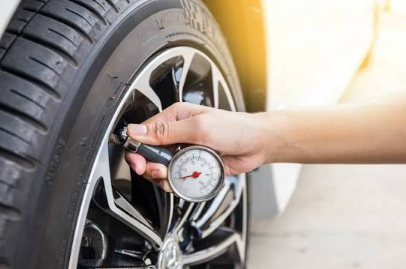
Every great trip starts with your tires. Whether you are driving a car to work or riding a bike through the park, your tires are the only parts of your vehicle that touch the ground. They keep you safe, help you steer, and make your ride smooth.
Yet, many people forget to check their tire pressure regularly. They only think about their tires when they see a warning light on their dashboard or feel a sudden wobble on their bike. Riding on under-inflated or over-inflated tires is dangerous and can damage your wheels.
Taking care of your tires does not have to be a guessing game. With a few simple steps and the right gear, you can check and adjust your pressure in minutes. Let us look at how to get accurate readings every single time.
Why Tire Pressure Matters More Than You Think
Having the correct tire pressure is not just about keeping your tires full of air. It affects almost every part of how your vehicle performs.
For car owners, proper pressure saves money. When your tires are low, your engine has to work much harder to push the car forward. This wastes fuel and wears out your tires much faster. Under-inflated tires also make it harder to brake quickly in an emergency, especially on wet roads.
For bike owners, tire pressure changes your entire riding experience. If your pressure is too low, you will feel slow and heavy. You also risk getting a flat tire if you hit a bump or a curb. If your pressure is too high, your bike will bounce over every little pebble, making your ride rough and uncomfortable.
To make tire maintenance easy, having the right Auto Zubehör in your garage is highly important. Modern tools take the stress out of checking your tires.
See also: Everyone Wants the Mazdutide Loophole. There Isn’t One, and Chasing It Is a Mistake.
The Golden Rule: Check When Tires Are Cold
The most common mistake people make is checking their tire pressure at the wrong time. Air expands when it gets warm. As you drive your car or ride your bike, the friction between the tires and the road creates heat. This heat increases the pressure inside your tires.
If you measure your pressure right after a long trip, you will get a false high reading. If you let air out based on that reading, your tires will actually be under-inflated once they cool down.
To avoid this “hot tire trap,” always check your pressure when your tires are cold. The best time is first thing in the morning before you drive or ride. If you have already been traveling, let your vehicle sit for at least three hours so the tires can cool down completely.
How to Find Your Correct Tire Pressure
Do not make the mistake of looking at the number printed on the side of your tire wall. That number is the maximum pressure the tire can safely hold, not the pressure you should actually use.
For cars, you can find the recommended pressure on a sticker inside the driver’s side door frame or in your owner’s manual. This number is carefully calculated by the manufacturer to give you the best safety and fuel mileage.
For bikes, the ideal pressure range is usually printed directly on the side of the tire wall. Road bikes with thin tires need very high pressure, often between 80 and 120 PSI. Mountain bikes with wide, knobby tires need much lower pressure, usually between 30 and 50 PSI.
To handle both types of vehicles easily, you can invest in a high-quality Luftpumpen Kollektion. Modern electric pumps feature different presets for cars, bikes, and motorcycles, making it simple to get the perfect pressure every time.
Step-by-Step Guide to Checking and Inflating Tires
Once you know your target pressure, follow these four simple steps to check and fill your tires:
- Remove the Valve Cap: Unscrew the small plastic cap from the tire valve and put it in a safe place.
- Connect the Gauge or Pump: Press your pressure gauge or electric pump hose firmly onto the valve stem. If you hear a constant hissing sound, the connection is not straight. Press down firmly until the hissing stops completely.
- Read the Current PSI: Look at the screen or dial to see your current pressure. Compare this number to your recommended target.
- Adjust and Finish: If the pressure is low, add air. If it is too high, use the tip of a key or a small pin on your gauge to gently press the center pin of the valve to let some air out. Put the valve cap back on when you are finished.
Frequently Asked Questions
How often should I check my tire pressure?
You should check your tire pressure at least once a month. It is also a smart habit to check your tires before any long road trips or when the weather changes suddenly.
Why does cold weather make my tire pressure warning light turn on?
When the temperature drops, the air molecules inside your tires shrink and lose energy. This causes your tire pressure to drop by about 1 PSI for every 10-degree drop in temperature.
Do bike tires lose air faster than car tires?
Yes, they do. Bike tires have a much smaller volume of air and run at higher pressures. Because of this, they naturally lose air much faster than car tires and should be checked before every ride.
Is it normal to hear a hiss of air when disconnecting the pump?
Yes, a brief hiss of air is completely normal when you unscrew the pump hose. This is just the small amount of pressurized air trapped inside the hose escaping, not air leaking out of your tire.
Can I use a regular gas station pump for my bicycle tires?
Many gas station air pumps are designed only for car tires and can release air too quickly for a small bicycle tire. Using a portable electric pump with a dedicated bicycle mode is much safer and prevents over-inflation.
Conclusion
Tire maintenance is one of the easiest ways to keep yourself safe and save money. By checking your tires when they are cold and using the correct recommended numbers, you will enjoy a smoother, safer ride.
You no longer have to struggle with manual hand pumps or dirty gas station hoses. A modern, compact electric pump can do all the work for you at home or on the road.
Take care of your tires, and they will take care of you. Keep your pressure checked, pack your portable tools, and enjoy your next journey with total peace of mind.