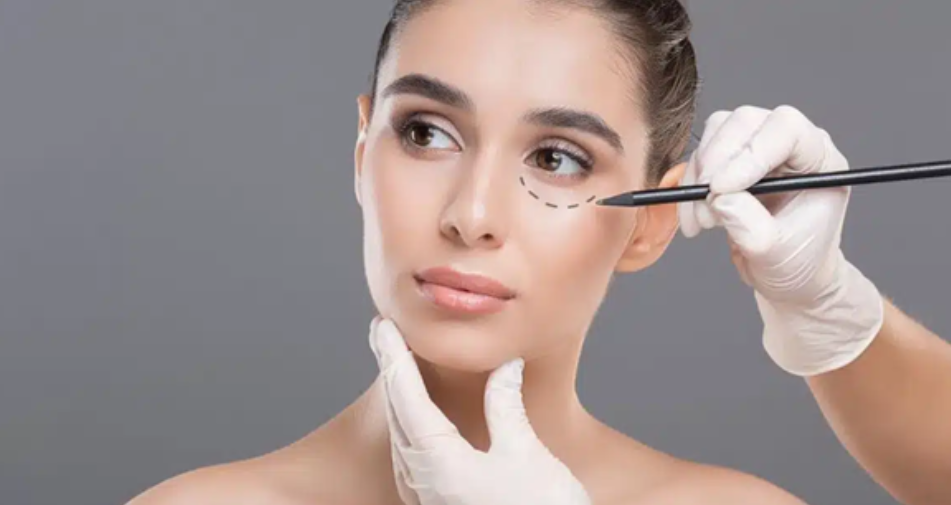
Even a small adjustment beneath the lower eye area can change the way light reflects across the face, influencing how refreshed or tired someone appears. Modern Eye bag filler techniques focus on placing volume at carefully selected depths that suit each individual’s facial structure instead of applying a single standard approach.
When filler is distributed in a balanced way, darker areas under the eyes can appear softer while the natural contour of the face remains intact. Choosing the correct depth level also creates a smoother transition between the under-eye region and surrounding facial zones. Personalized assessment determines how much filler is required, ensuring the result appears subtle, refined, and natural rather than heavy.
Thoughtful treatment planning also maintains harmony with nearby facial features, allowing expressions to remain relaxed and authentic.
Why Layer Precision Is So Important
Accurate placement of filler within specific tissue layers helps achieve a more even reflection of light across the lower eyelid area. When the filler sits in the correct plane, contrast beneath the eyes is reduced and the skin surface appears smoother.
Correct depth selection can minimize visible irregularities and create a continuous contour. This precision also helps avoid excessive projection that could disturb the balance of the face.
How Volume Distribution Affects Light Reflection
The amount of filler used plays an important role in reducing shadows under the eyes. Balanced distribution softens darker tones without causing puffiness or unnatural fullness.
When filler spreads evenly, light moves smoothly across the skin, improving the overall visual texture. Gradual volume build-up often produces a more controlled and natural outcome that adapts to each person’s structural needs.\
See also: The Digital Evolution of Higher Education: Navigating Technology
Signs of Incorrect Filler Placement Depth
If filler is placed in the wrong layer, certain visible signs may appear. Uneven contours can indicate that the selected depth does not match the anatomical structure of the area.
Placement that is too deep may produce unnecessary fullness, while very shallow placement can cause visible tonal variations.
Possible indicators include:
- Rippling of the skin during facial movement
- Noticeable tone differences under specific lighting conditions
- Movement or shifting of filler when structural mapping is not followed
Professional evaluation can help adjust placement and improve integration with surrounding tissues.
Tailored Planning for Natural Contours
Personalized treatment mapping considers several factors, including skin thickness, ligament strength, and the pattern of under-eye hollowness. Instead of applying filler evenly across the entire area, practitioners focus on providing support only where it is required.
This targeted approach allows for subtle enhancement that aligns with natural facial expression. Gradual refinement ensures that the final outcome blends smoothly with the overall facial structure.
Can Gradual Correction Improve Longevity?
A step-by-step approach often produces more stable and natural results. Small and carefully measured sessions allow the tissues to adjust gradually while maintaining proper proportion.
Gradual correction also lowers the risk of overfilling and provides flexibility for adjustments in the future.
Benefits of progressive treatment may include:
- Improved facial symmetry through controlled placement
- Balanced filler quantity that supports long-term stability
- Opportunity for review and refinement after the filler settles
Balancing Skin Texture with Structural Support
A smooth under-eye appearance depends on both internal filler placement and the condition of the skin surface. When support is provided at the appropriate depth, the transition between nearby facial zones becomes less noticeable.
Combining structural support with attention to skin quality helps create a continuous and natural look without interfering with normal facial movement.
Frequently Asked Questions
How long do the results usually remain visible?
The duration varies depending on individual anatomy, lifestyle factors, and the type of filler used.
Is gradual enhancement better than a single treatment session?
Step-by-step planning often provides more controlled and refined outcomes.
Does the placement depth affect the appearance?
Yes, selecting the correct layer helps ensure smooth light reflection and natural contouring.
Will the results look natural during facial movement?
Proper mapping and accurate placement allow facial expressions to remain natural.
A Path Toward Lasting Under-Eye Radiance
Achieving a refined under-eye contour requires careful evaluation, precise depth selection, and controlled filler placement. A structured treatment plan allows the filler to blend smoothly with surrounding facial features while preserving authentic expression.
Gradual enhancement also offers flexibility for future adjustments and helps maintain balanced proportions over time. When internal support aligns with the skin’s natural texture, shadows beneath the eyes become less noticeable and the surface appears smoother.