You are probably juggling school schedules, snacks in the car, bedtime routines, and one child who says their tooth feels “weird” right before bed. Dental care can slip down the list until a cavity, a chipped tooth, or a tearful brushing battle brings it right back. That is the hard part of parenting. You are trying to stay ahead of problems without turning every appointment into a stressful event, which is why many parents look for family dentistry in Silver Spring, MD.
The good news is that 3 Ways Family Dentistry Supports Growing Smiles comes down to something simple. A family dentist helps you prevent problems early, track changes as your child grows, and make dental care feel normal instead of scary. That steady support matters more than any one visit.
Family dentistry builds trust early and makes routine care easier
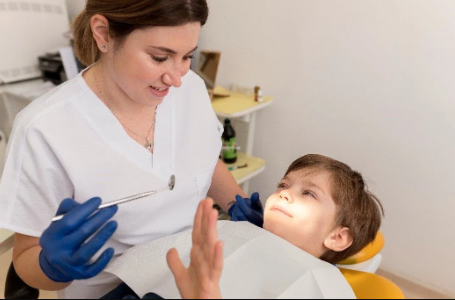
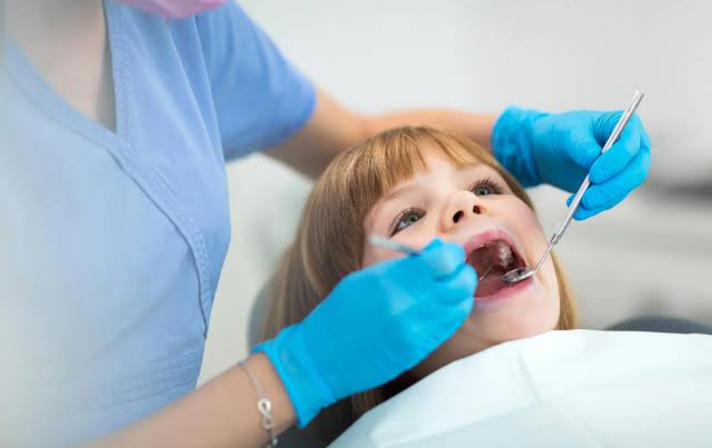
Children do better when things feel familiar. The same is true in the dental chair. A family dentist gives your child a place, a team, and a routine they can get used to over time. That familiarity lowers fear, which often means smoother cleanings, better cooperation, and fewer delayed visits.
When kids only see a dentist after pain starts, the visit can feel tense from the start. They walk in already worried, and you are left trying to calm them while also making decisions about treatment. That cycle can stick. A child who connects the dentist with discomfort may resist future care, even when the goal is only prevention.
Regular visits change that pattern. Your child learns that checkups are part of normal life, not a sign that something is wrong. They hear the same voices, see the same faces, and slowly build confidence. That is one of the clearest benefits of family dental care for children. It supports emotional comfort as much as oral health.
It also helps you. Instead of explaining your family history, your child’s habits, or past concerns over and over, you work with one office that knows your household. If one child grinds teeth, another needs sealants, and you need a cleaning too, everything stays in one place.
Family dental care catches small issues before they become bigger problems
Kids’ mouths change fast. Baby teeth loosen, adult teeth erupt, bite patterns shift, and habits like thumb sucking or mouth breathing can affect development. A family dentist watches those changes over time, which makes it easier to spot concerns before they grow into expensive or painful problems.
A tiny cavity can often be treated quickly. Leave it alone, and it can turn into a toothache, an infection, missed school, and a child who stops chewing on one side because it hurts. The same goes for alignment issues, enamel wear, and gum irritation. Early care is usually simpler, less stressful, and less costly.
Prevention is a big part of this. Brushing and flossing at home matter, but they do not always reach every groove and back molar well enough, especially when children are still learning. That is why many parents ask about sealants. The Centers for Disease Control and Prevention explains that dental sealants help protect children’s molars from cavities by covering the chewing surfaces where decay often starts.
That kind of support is practical, not fancy. It is about reducing the chance that a normal busy season turns into an avoidable dental problem.
A family dentist supports healthy habits that grow with your child
Children do not need perfect habits overnight. They need repetition, simple guidance, and adults who keep showing up. A family dentist reinforces what you are already trying to teach at home, which gives those daily routines more weight.
If your child rushes through brushing, snacks often, or fights flossing, you are not alone. Many families deal with the same thing. Hearing advice from a dental professional can land differently for kids, especially when it is age appropriate and consistent. A younger child may need help with brushing technique. A teen may need a clear talk about sports guards, sugary drinks, or wisdom teeth monitoring.
The CDC offers oral health tips for children that line up with what many family dental offices teach, including brushing twice a day with fluoride toothpaste and building healthy routines early. Those habits shape more than a smile. They affect comfort, sleep, eating, speech, and confidence.
This is where a household dental provider stands out. Care does not reset every few years with a new office. It grows with your child, from first visits to school age checkups to teen concerns. That continuity is one of the strongest reasons parents choose a general dentist who treats the whole family.
Preventive family dentistry often costs less than delayed treatment
Waiting can feel easier in the moment, especially if your child is nervous or money is tight. The problem is that delayed care rarely stays simple. What starts as “we should probably schedule a cleaning” can become “now they need treatment.”
| Approach | What It Often Looks Like | Likely Result |
|---|---|---|
| Routine family dentistry visits | Regular exams, cleanings, fluoride, sealant discussions, habit coaching | Problems found early, lower stress, more predictable costs |
| Waiting until symptoms appear | Visits only after pain, visible decay, swelling, or broken teeth | More treatment, more anxiety, higher chance of urgent care |
| Home care without professional follow up | Brushing and flossing, but no monitoring of growth or hidden decay | Good foundation, but issues can still be missed |
That comparison is why many parents choose preventive dental care even during busy years. It protects your child’s comfort now and reduces the odds of bigger interruptions later.
Simple steps can make family dental care feel manageable
1. Put dental visits on the calendar like school events. If you wait for a clear week, it may never come. Book routine checkups in advance and treat them like any other health appointment.
2. Watch for small changes at home. Sensitivity to cold foods, avoiding one side while chewing, bleeding gums, bad breath that lingers, or a new fear of brushing can all point to issues worth checking.
3. Ask for prevention, not just treatment. Talk with your family dentist about sealants, fluoride, brushing technique, and what to expect as adult teeth come in. Those conversations often prevent the next problem before it starts.
Growing smiles need steady support
You do not need to handle every stage of your child’s oral health alone. Kids change quickly, and a trusted dental home helps you keep up without turning each concern into a crisis. That is the real value behind family dentistry. It creates consistency, catches issues early, and supports habits that last.
If your child is due for a checkup, now is a good time to schedule one and get ahead of the next dental problem before it starts.