You brush, you remind, you buy the floss picks, and somehow your child still ends up with a cavity or a sore spot that needs attention. That can feel frustrating, especially when you are trying to stay ahead of problems instead of reacting to them. Most parents are not looking for perfect teeth. You want fewer surprises, fewer painful visits, and a plan that actually fits real life with a trusted South Reno dentist.
That is where prevention helps. The right care at the right age can lower the risk of decay, catch bite issues early, and make dental visits easier over time. A good family dentist usually focuses on simple steps that protect teeth before treatment gets bigger or more expensive.
Preventive dental care for kids works best when it starts early
Tooth decay is still one of the most common chronic conditions in children, and it often starts quietly. A tiny weak spot in enamel does not look urgent, but a few months of missed brushing around molars or frequent sugary snacks can turn that weak spot into a cavity. Teens face a different version of the same problem. Sports drinks, busy schedules, braces, mouth breathing, and inconsistent brushing all raise the risk.
According to the CDC, daily habits and regular professional care both matter for children’s oral health prevention. Home care does a lot, but it does not replace a trained set of eyes. Kids do not always notice when something hurts, and teens often ignore it until it gets in the way of eating, sleeping, or smiling in photos.
The most common preventive treatments are not dramatic. They are practical, targeted, and often quick. That is why so many dentists recommend them again and again.
Dental cleanings remove buildup kids miss at home
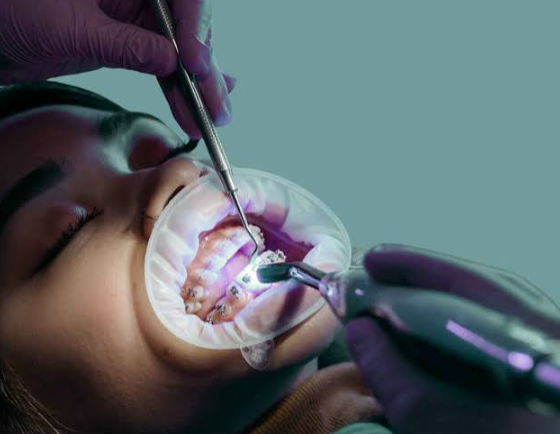
Even children who brush twice a day usually miss certain areas. Back molars, the gumline, and spots around orthodontic brackets collect plaque fast. Once plaque hardens into tartar, a toothbrush will not remove it. Professional cleanings clear that buildup before it leads to gum irritation, bad breath, or cavities.
For younger kids, regular cleanings also make the dental office feel familiar instead of scary. For teens, they can reset habits when school, sports, and social life start pushing oral care down the list.
Fluoride treatments strengthen enamel and slow early decay
Fluoride helps enamel resist acid attacks from food, drinks, and bacteria. That matters a lot for children whose brushing is still improving and for teens who snack often or sip acidic drinks through the day. A fluoride varnish or gel is quick to apply, and it can help stop very early decay from getting worse.
This is one of the most common preventive dental treatments for children because it adds a layer of protection without discomfort or downtime. If your child has a history of cavities, dry mouth, braces, or deep grooves in the teeth, fluoride often becomes even more useful.
Dental sealants protect the grooves where cavities often start
Molars are hard to clean well, especially when the chewing surfaces have deep pits and grooves. Sealants are thin protective coatings placed on those back teeth to block food and bacteria from settling into those tight spaces. They are especially helpful soon after permanent molars come in.
The National Institute of Dental and Craniofacial Research explains how dental sealants protect children’s molars, and the benefit is straightforward. Sealants do not replace brushing. They protect the places brushing often misses.
Digital X-rays and exams catch hidden problems before they grow
Some dental issues stay out of sight. Cavities between teeth, teeth that are not erupting correctly, extra teeth, bone changes, and early orthodontic concerns may not show up during brushing or even a basic visual check. Periodic exams and X-rays help spot those problems before they become painful or expensive.
This matters even more during the teen years, when wisdom teeth, shifting bites, and sports injuries can change the picture quickly. A small finding now can prevent a much bigger appointment later.
Orthodontic monitoring helps guide growth at the right time
Not every child needs braces, and not every bite issue should wait until all the permanent teeth are in. Some spacing, crowding, crossbites, and jaw growth concerns are easier to manage when a child is still growing. Monitoring does not always mean immediate treatment. Sometimes it means watching development and stepping in only when timing is best.
That kind of planning is often part of smart kids and teens dental prevention, because early guidance can reduce the severity or length of future orthodontic care.
Mouthguards and caries risk checks prevent avoidable damage
Active kids and teens can chip or crack teeth in a second. A custom mouthguard for sports lowers that risk and usually fits better than a store bought option. For children who grind their teeth, a dentist may also recommend protection for nighttime wear.
Caries risk assessment is another treatment parents do not always think of as prevention, but it is. The American Academy of Pediatric Dentistry supports caries risk assessment and management for children and adolescents because prevention works better when it matches the child. A kid with braces, frequent snacking, and past cavities needs a different plan than a teen with low risk and strong home care.
Professional prevention often saves more than it costs
Parents sometimes delay preventive visits because nothing seems wrong. That makes sense in the moment. The problem is that dental issues rarely stay small once they start. A fluoride treatment or sealant appointment is a lot easier than a filling, crown, or emergency visit after pain starts on a weekend.
| Preventive Service | What It Helps Prevent | Best Time to Consider It |
|---|---|---|
| Professional cleaning | Plaque buildup, gum irritation, bad breath | Every 6 months, or as recommended |
| Fluoride treatment | Weak enamel, early decay | After exams, especially for higher cavity risk |
| Dental sealants | Cavities in molars | When permanent molars erupt |
| Digital X-rays and exams | Hidden decay, eruption issues, bite changes | At intervals based on age and risk |
| Orthodontic monitoring | Worsening crowding or bite problems | As permanent teeth begin coming in |
| Custom mouthguard or risk assessment | Sports injuries, repeat cavities | During sports seasons or at routine visits |
Small steps now make future dental visits easier
Schedule around risk, not just routine. If your child has had cavities, braces, dry mouth, or frequent snacking, ask whether standard six month visits are enough. Some kids need closer follow up.
Ask which treatment fits your child’s age right now. A seven year old with new molars may benefit most from sealants. A teen athlete may need a mouthguard first. Prevention works better when it matches the stage your child is in.
Watch the habits that quietly raise risk. Juice, sports drinks, grazing through the day, poor sleep, and skipped brushing after late activities all add up. If a pattern keeps showing up at home, mention it at the next visit. That is often where the best prevention plan starts.
You do not need a complicated strategy to protect your child’s teeth. You need a dentist who looks ahead, explains what matters now, and helps you prevent the problems that tend to snowball. The right family dental care can keep kids and teens more comfortable, more confident, and far less likely to need bigger treatment later.