Introduction
Not all acids are created equal when it comes to skincare, and one of the most important distinctions in the world of exfoliants is solubility — specifically, whether an acid is water-soluble or oil-soluble. Salicylic acid stands out precisely because it belongs to the oil-soluble category, and this single chemical property explains why it has become one of the most trusted ingredients for treating acne, blackheads, and congested pores. Understanding why oil-solubility matters — and why it makes salicylic acid so well-suited to cleanser formulas in particular — helps explain why this ingredient continues to dominate acne-focused skincare routines decades after its introduction.
Understanding Acid Solubility: Water vs. Oil
To understand why oil-solubility matters, it helps to compare salicylic acid to its more famous cousins, the alpha hydroxy acids (AHAs) like glycolic acid and lactic acid.
AHAs are water-soluble, meaning they dissolve in water and work primarily on the surface of the skin. They’re excellent at breaking down the bonds between dead skin cells sitting on top of the epidermis, which is why they’re often praised for brightening and smoothing texture.
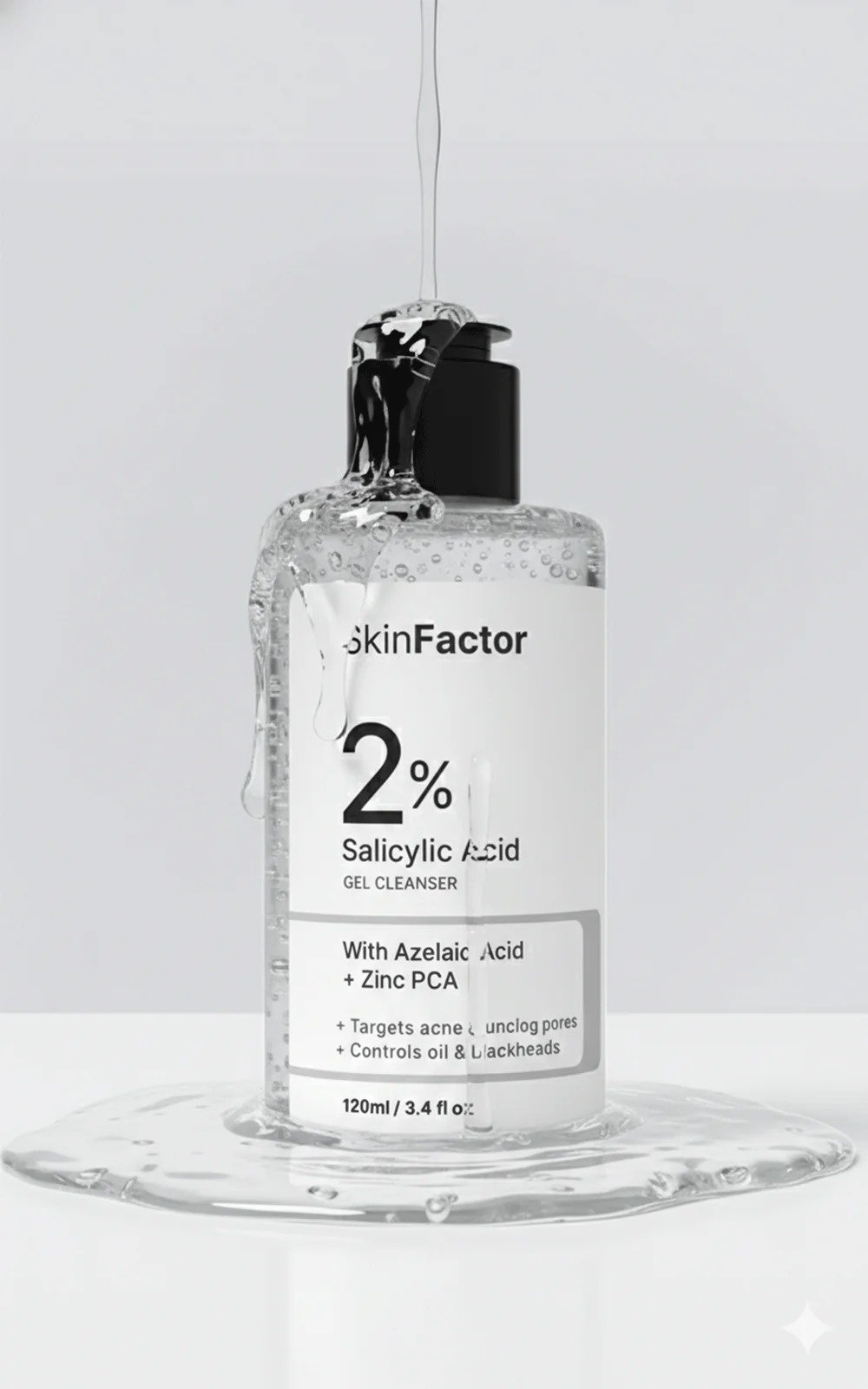
Salicylic acid Cleaner in Pakistan a beta hydroxy acid (BHA), is different. It’s lipophilic, meaning it has an affinity for oil rather than water. This allows it to dissolve into and travel through the lipid-rich environment of the skin’s surface and, critically, into the sebum-filled lining of hair follicles and pores. Where AHAs stay on the surface, salicylic acid can actually enter the pore itself.
See also: Luxury Design with Slimline Windows and Lift and Slide Doors
Why This Matters for Acne and Congested Skin
Pores become clogged when a mixture of sebum (oil), dead skin cells, and sometimes bacteria builds up inside the follicle. This buildup is what leads to blackheads, whiteheads, and many inflammatory breakouts. Because pores are essentially oil-filled canals, an ingredient needs to be oil-soluble to actually get inside and address that buildup at its source.
This is exactly what salicylic acid does. Once it penetrates into the pore, it works to break down the “glue” holding dead skin cells together, loosening the debris so it can be cleared out rather than continuing to accumulate. It also has mild anti-inflammatory and antibacterial properties, which can help calm existing breakouts while helping to prevent new ones from forming. AHAs, being water-soluble, simply can’t access this same environment as effectively — they’re better suited to surface-level cell turnover than deep pore-clearing.
Why This Makes Salicylic Acid Ideal for a Cleanser Format Specifically
Here’s where the oil-solubility factor becomes especially important: a cleanser is, by nature, a short-contact product. You apply it, massage it in for a matter of seconds to a minute, and then rinse it away. This limited contact time creates a challenge for many active ingredients — they need to work fast, or they need help getting to where they’re needed most before being washed off.
Because salicylic acid is oil-soluble, it doesn’t need to sit on the skin for an extended period to start working. It’s drawn toward the oil already present in the pores and on the skin’s surface, meaning it begins interacting with sebum and follicle linings almost immediately upon application. This gives it a meaningful head start compared to a water-soluble acid, which would largely just sit on the skin’s surface during the brief window before rinsing, with little opportunity to penetrate into the pore.
This is also why salicylic acid cleansers are considered a smart, lower-commitment way to introduce chemical exfoliation into a routine. Unlike a leave-on serum or toner, which keeps the acid on the skin for hours, a cleanser’s brief contact time reduces the risk of over-exfoliation or irritation, while still delivering meaningful benefit thanks to that oil-loving chemistry.
Additional Benefits Tied to Oil-Solubility
Beyond simply reaching the pore lining, salicylic acid’s oil-solubility offers a few other advantages when formulated into a cleanser:
Breaking down excess sebum: Because it interacts directly with oil, salicylic acid helps regulate the sebum sitting in and around the pore, which can reduce shine and prevent new blockages from forming.
Working alongside makeup and sunscreen removal: Many people already use oil-based products, like sunscreen or makeup, that need to be broken down during cleansing. Salicylic acid’s affinity for oil means it can help dissolve some of this residue at the same time it’s exfoliating, making it a useful component of a “second cleanse” step.
Targeting blackheads specifically: Blackheads form when oxidized sebum sits at the pore opening. Because salicylic acid can travel into that same oily environment, it’s particularly effective at loosening this type of congestion compared to acids that stay on the surface.
What This Means for Choosing a Cleanser
If you’re shopping for a cleanser aimed at acne, blackheads, or oily skin, the presence of salicylic acid — usually at concentrations between 0.5% and 2% for over-the-counter formulas — is a strong indicator that the product is designed to actually clear pores rather than just polish the surface. Combined with hydrating or soothing ingredients like glycerin or niacinamide, a well-formulated salicylic acid cleanser can deliver pore-clearing benefits without leaving skin feeling stripped or tight.
That said, oil-solubility is a double-edged sword for some skin types. Because salicylic acid engages so directly with the skin’s natural oils, those with very dry or sensitive skin may need to use it less frequently, or pair it with extra moisturization, to avoid disrupting the skin barrier.
Conclusion
The reason salicylic acid remains a gold-standard ingredient in cleansers designed for acne-prone and oily skin comes down to a simple but powerful chemical property: its oil-solubility. This allows it to travel where water-soluble acids can’t — directly into the sebum-filled environment of the pore — and to begin working almost immediately, even within the brief contact time of a rinse-off cleanser. For anyone dealing with blackheads, clogged pores, or persistent breakouts, understanding this mechanism explains exactly why a salicylic acid cleanser can outperform other exfoliating options, and why it remains one of the most recommended ingredients in modern skincare.
Disclaimer: This article is intended for general educational purposes and is not a substitute for professional dermatological advice. Individual skin responses vary, and anyone with specific skin conditions should consult a dermatologist before starting a new skincare routine.