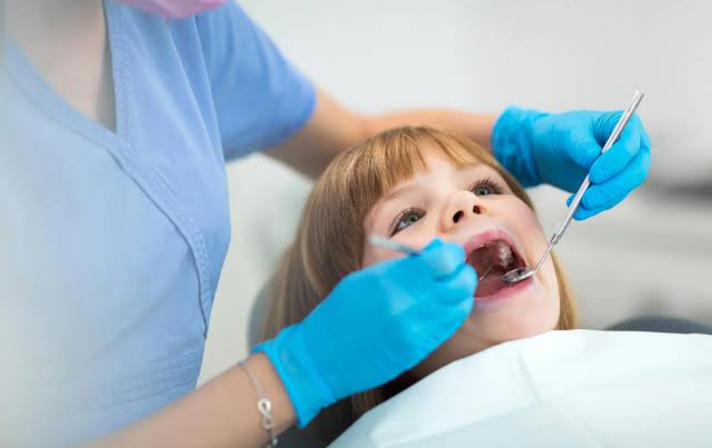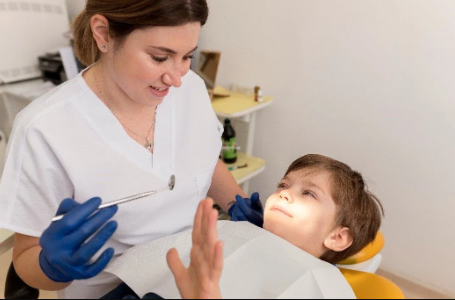
You notice it during the bedtime routine. Your child brushes every other tooth, then skips one spot, rushes past it, or pulls the toothbrush away the second it touches that side of the mouth. It can look like stubbornness at first, but parents usually sense when something is off. If your child keeps avoiding one area, there is often a reason, and it is usually discomfort, fear, or a problem they do not know how to explain. A Norfolk dentist can help identify what is causing the issue.
That matters because the area a child avoids brushing is often the area that needs the most care. Plaque builds fast, gums get irritated, and a small problem can turn into a painful one. A family dentist can help sort out whether this is a simple brushing issue or a sign of something that needs treatment.
Pain is one of the most common reasons a child avoids brushing one side of the mouth
If brushing hurts, children often do not say, “This tooth is sensitive.” They just dodge the area. Tooth decay, a cracked tooth, a loose baby tooth, or food stuck near the gums can make brushing sting. A sore spot may only hurt when the bristles touch it, so everything can seem normal during meals until brushing time starts the struggle.
This is where parents get stuck. You want your child to keep brushing, but pushing through pain can make them more resistant the next night. If the same spot keeps getting skipped for several days, pain should move high on the list of possible causes.
Swollen or bleeding gums can make one section of the mouth feel too tender to clean
Sometimes the problem is not the tooth. It is the gum around it. When gums are inflamed, even soft brushing can feel sharp or raw. Children may spit out toothpaste, cry when the brush gets near the area, or suddenly insist they are done brushing after only a few seconds.
Early gum irritation can happen from plaque buildup, food debris, or uneven brushing habits. Left alone, it can get worse. The National Institute of Dental and Craniofacial Research explains how gum disease develops and affects the gums, and even mild inflammation is enough to make a child avoid that spot. That creates a cycle. The less they brush there, the more irritated it becomes.
Mouth sores and erupting teeth often cause a child to skip brushing one area
Canker sores, cheek bites, and teeth coming in can all make one part of the mouth feel extra sensitive. A child with a sore on the inside of the cheek may avoid brushing the nearby molars because the brush rubs the tender tissue. If a new tooth is erupting, the gum can feel swollen and tight, especially around back teeth where children already struggle to reach.
You might see this after a child has been chewing on one side, eating more slowly, or refusing crunchy foods. Then brushing becomes the moment the discomfort is hardest to ignore. In those cases, the skipped area is often a clue to where the irritation is.
Fear and sensory sensitivity can make brushing one section feel overwhelming
Not every child is avoiding one area because of dental disease. Some children have a strong gag reflex, texture sensitivity, or anxiety about brushing deep in the back of the mouth. Others had one painful brushing experience and now expect that same discomfort every time. They tense up before the toothbrush even gets close.
This is common with younger children, but older kids do it too. They may seem fine until you ask them to brush near the molars or along the gumline, then the resistance starts. In those moments, what looks like defiance is often anticipation. Their body is bracing for something that feels unpleasant or out of control.
Poor brushing technique can hide a bigger oral health problem
Some children skip one area because it is hard to reach or because they never learned how to angle the brush there. That can sound minor, but missed spots collect plaque quickly, and those neglected areas are where cavities and gum irritation tend to start. Guidance on children’s dental health and daily oral care can help you spot habits that need correction before they become larger problems.
This is one reason parents often search for answers about why a child avoids brushing one area of the mouth. The behavior may begin as technique, then turn into pain, then become a nightly battle. Once that pattern sets in, children often need both reassurance and a dental check to break it.
Common causes of one sided brushing avoidance and what to watch for
| Possible Cause | What You May Notice | What It Can Lead To |
|---|---|---|
| Tooth pain or decay | Skipping one tooth or one side, wincing, refusing help | Worsening cavity, infection, more pain |
| Swollen or bleeding gums | Blood in the sink, tenderness near gumline, quick brushing | More inflammation, plaque buildup, bad breath |
| Mouth sore or erupting tooth | Chewing on one side, avoiding back teeth, complaint of “ouch” | Missed cleaning, more irritation, food trapping |
| Sensory sensitivity or fear | Gagging, pulling away, distress before brush touches mouth | Inconsistent brushing, rising anxiety around oral care |
| Technique problem | Missing the same hard to reach spot every night | Plaque buildup, cavities, gum irritation |
Simple steps can help you respond before the problem gets worse
Watch the pattern closely. Notice whether your child avoids the same tooth, the same side, or the same gum area every time. Look for swelling, redness, bleeding, a visible sore, or food packing around one tooth. A repeated pattern usually means the spot is bothering them for a reason.
Make brushing gentler tonight. Use a soft bristle brush, a smaller brush head if needed, and slow down. Have your child point to where it hurts. If they are willing, let them start brushing and then help with the sore area last. For a child with sensory issues, shorter brushing in calm stages can lower the panic enough to get through the routine.
Schedule a dental visit if the avoidance keeps happening. If your child skips the same area for more than a few days, or if there is pain, swelling, bleeding, or a bad smell from the mouth, it is time to have it checked. A dentist can tell whether this is sensitivity, gum irritation, decay, or another issue that needs treatment. That is often the fastest path back to stress free brushing.
When a child avoids brushing one part of the mouth, your concern is justified. It is often the first visible sign that something does not feel right. Paying attention early can spare your child more pain and save you from a bigger problem later. If this keeps happening, reach out to a family dental office and have that area examined. A caring dentist can help your child feel safe, find the cause, and get brushing back on track.